By: Gabriella King
Published on: May 4, 2026
A frequent topic in the design sector is creating a timeless interior design that will persevere through different trends and consistently look up to date.
There are many factors to consider when requesting a timeless aesthetic, which usually involves the careful selection of materials for a specific space.
Here, we explore ways to think ‘inside the box’ rather than composing a space based purely on the bleeding edge of design trends.
New coloured sanitary ware is once again on the market within the design industry. Visiting various showrooms and fairs across Europe reveals interesting design suggestions with bold statement colours and perfectly matched bathroom equipment.
To this day, I have yet to suggest them in a residential design. I am not completely sure this trend can achieve the timeless design effect most clients want for their homes. This type of design trend often works best within commercial spaces like bars, restaurants, and hotels as a statement piece, rather than an element for a permanent home design.
The main issue is that coloured sanitary ware was heavily implemented in homes from the 1950s to the 1970s. For many years during home restoration projects, these are the first items removed from old bathroom designs. Although the appeal of a dark green toilet might seem fun, it will likely age poorly over the next few decades, much like those mid-century designs.
Another trend that looks picture-perfect in magazines and on Pinterest is the microcement home, giving the feeling of an Indonesian holiday resort. This complex material inside a residential space comes with extremely high costs and has no guarantee of a durable finish.
Microcement is a highly demanding material that scratches easily if furniture is not adapted to it. It comes in many different colours and is supplied by an increasing number of brands in the Algarve. Its practical difficulties are rarely mentioned. Because of these challenges, the visual effect of a timeless design is once more unassured.
In the Algarve, several historic materials remain common within home designs, keeping spaces beautiful, durable, and sustainable.
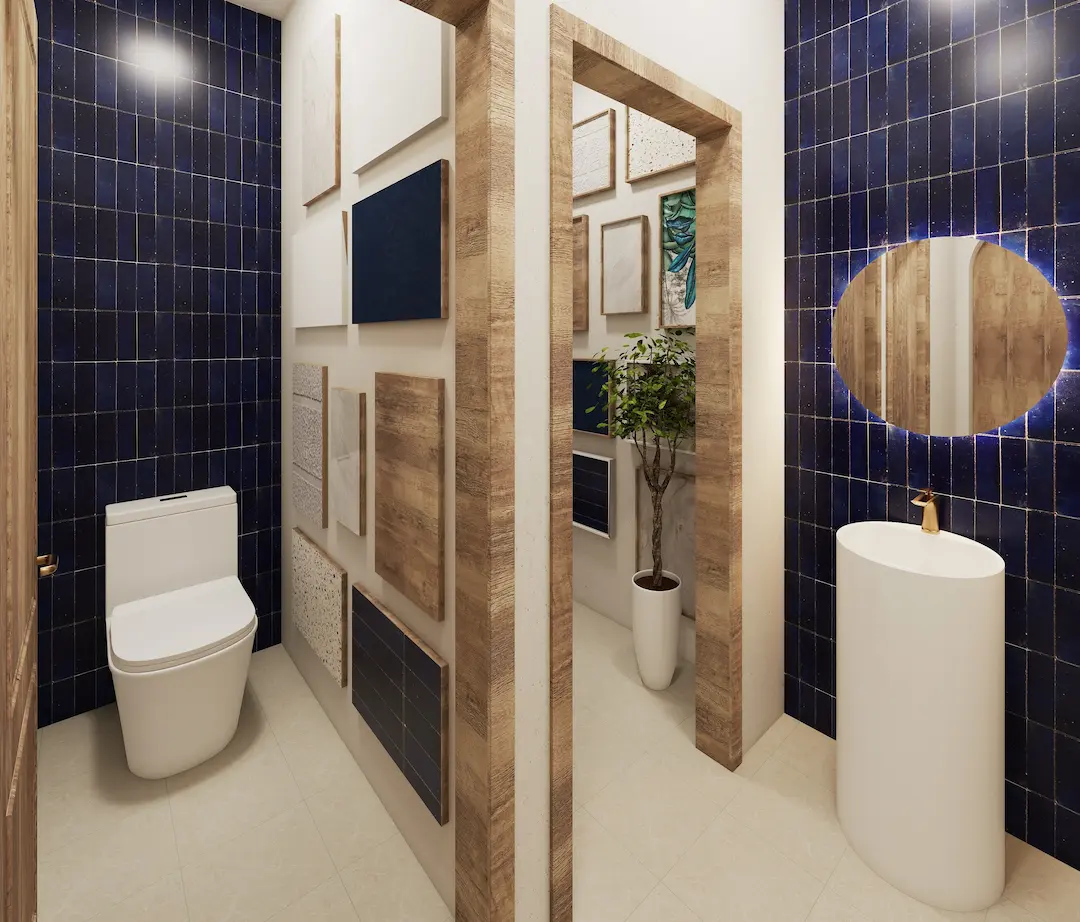
This is a very common material that retains its originality with unique pieces. It is used in furniture and also within the structural elements of a home.
Each natural hardwood cut has its own aged lines. Its colour can be adapted to match the rest of the interior with different protective staining, and if treated well, it will last a lifetime.
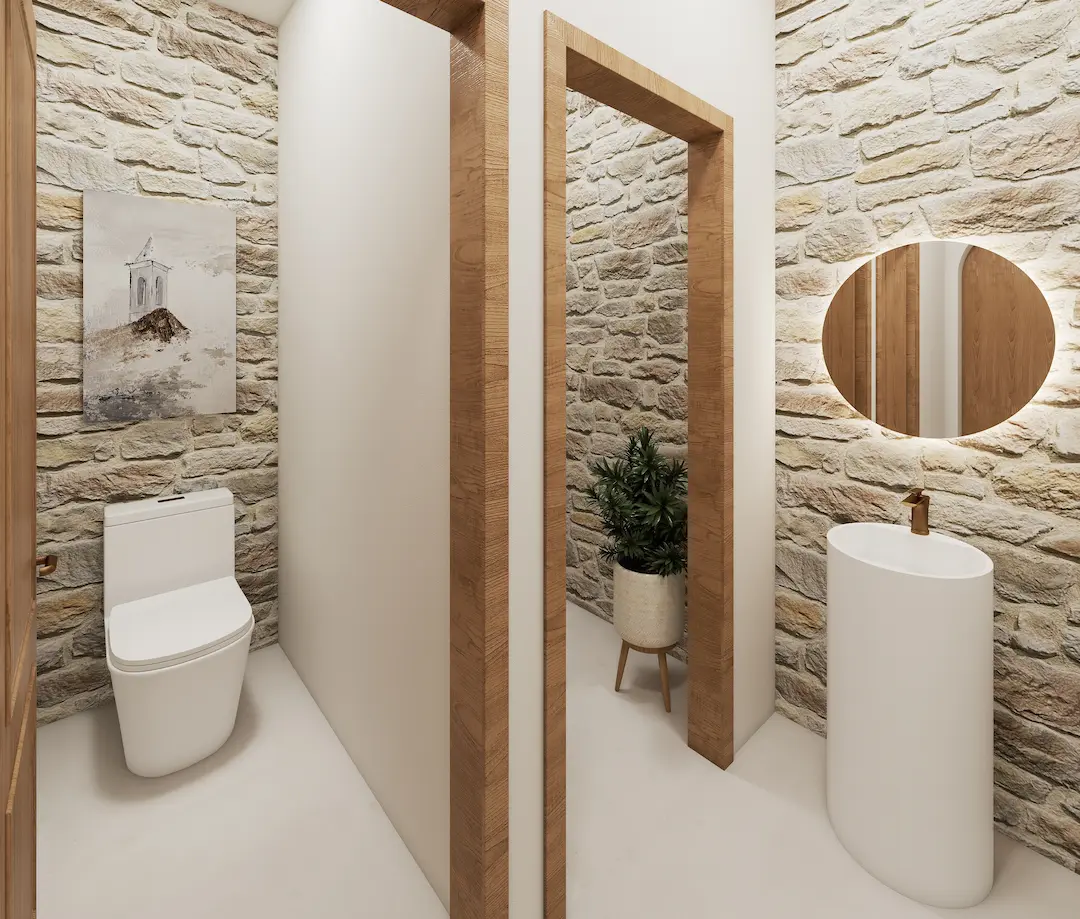
Adapting to its own climate and space, stone is a heavy and long-lasting material used within the interior and exterior of a residential space.
In the Algarve, it is frequently seen in the exterior contours of windows. In home restoration projects, many clients opt to keep the existing stone, as the wear of time gives an extra sense of charm.
This approach also greatly reduces the costs of restorations, as sourcing new stone can be costly.
Frequently seen in Gaudi’s designs for both aesthetic and practical purposes, iron is still considered one of the most durable and timeless materials to implement in a home design. It often reflects a more industrial look.
When paired with a typical Portuguese interior, used in architectural details like window frames or even light switches and sockets, it can render a room exceptionally timeless.
Terracotta is very common in the Algarve for interior and exterior flooring.
It requires high consideration within an interior space as it demands a lot of care.
Terracotta can be glazed into amazing hand-painted colours, providing an excellent option for timeless designs while keeping great loyalty to a typical Portuguese aesthetic.
These materials are affected by use over time, making them more interesting as they age.
Beautiful bronze door handles may arrive in very dark colours and turn into a softened bronze, making the design continuous with time rather than a fixed, unchanging element.
Smaller elements like table lamps or fixed wall lights in these materials add a sense of timelessness while bringing a unique colour to a space.
When planning an interior space, it is usually recommended to avoid using too much of the same material. This is especially important if the allocated area is small, or if the material is highly patterned and expressive.
For instance, when creating a bathroom or kitchen with a veined marble surface, it should be used in moderation and combined with visually softer materials that are less patterned. Marble is one of the most timeless materials, used in historical Roman and Greek temples, but within a residential property, moderation is necessary.
If considering golden-coloured tapware, try to order all the fixtures and bathroom accessories from the same brand. Clashing hues of gold can easily make a design feel ill-advised.
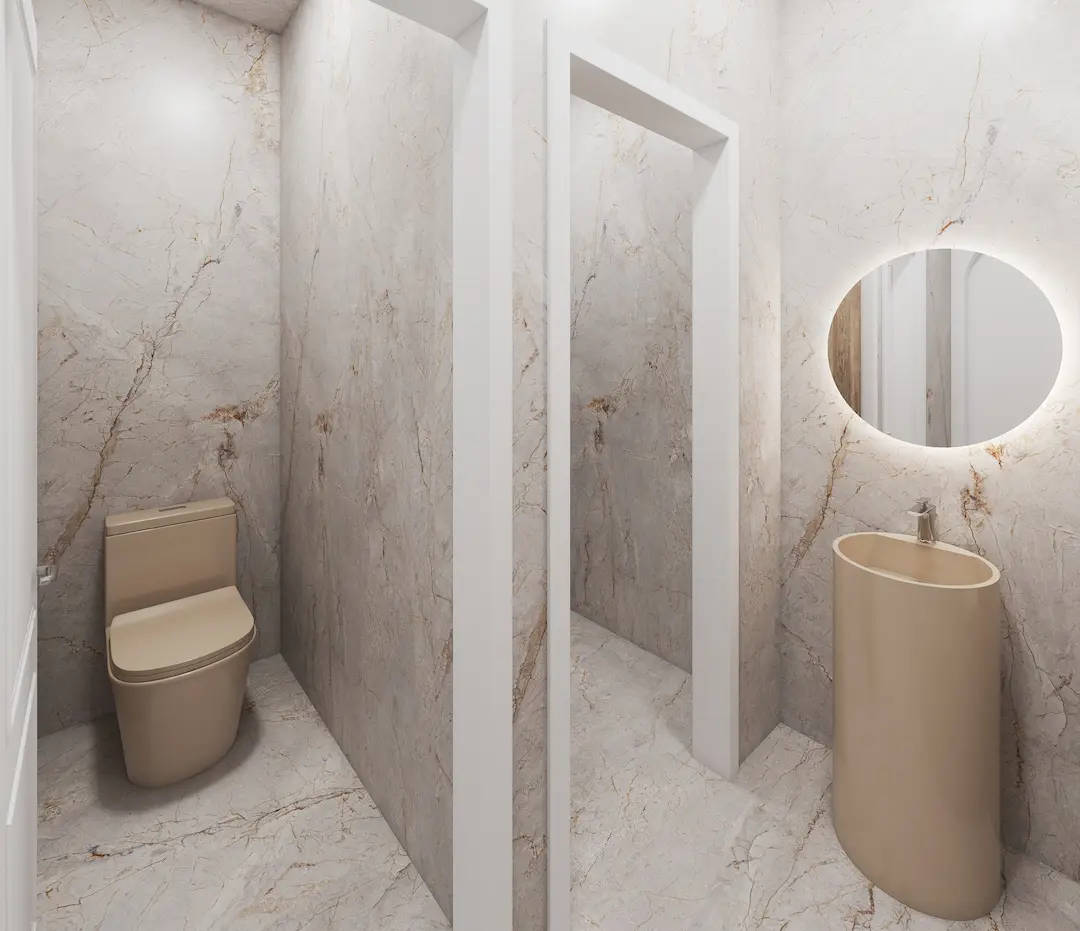
When planning a new timeless interior design, colour scheming is one of the primary matters to take into consideration. For example, if wallpaper is of interest, the rest of the interior and its furnishings must match to continue the theme established by the wallpaper.
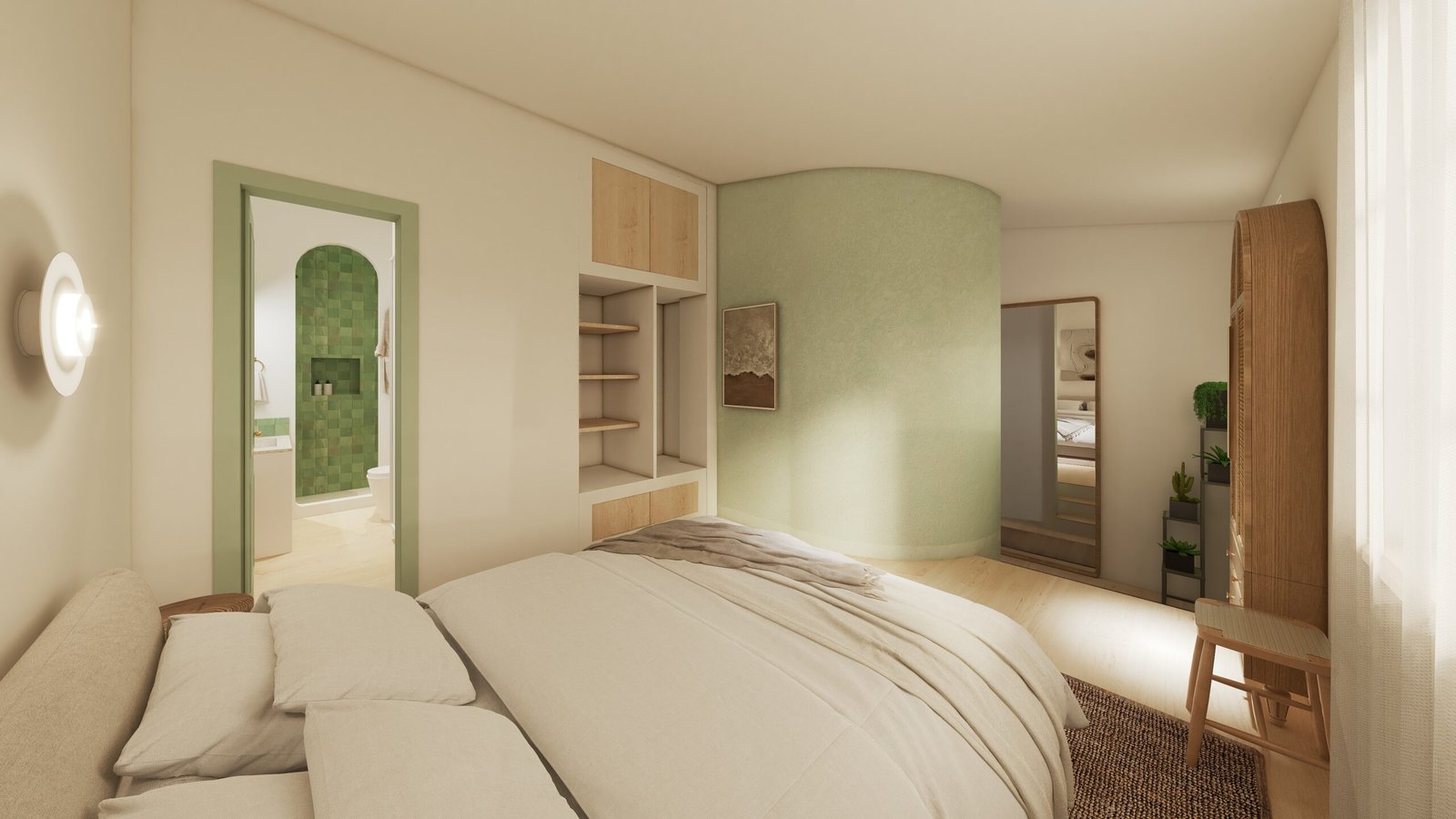
There is an increasing amount of creative and colourful patterns on the market, but not all of them guarantee durability through the trends of time. Trending materials like lime paint provide an enormous amount of different colours to select from. They provide a visually stimulating finish, assist with wall insulation, and match perfectly with other elements selected during the colour scheming process.
Following a concept board’s colour palette throughout the selection of all interior finishes helps bring all the elements of a space together. This creates an aesthetically pleasing environment and achieves the ultimate goal of a timeless interior design.

Gabriella is the lead designer at ArtAlgarve Interiors, specialising in bringing historical Portuguese architecture and contemporary styling together.
With years of experience in the Algarve, she helps clients source local materials and bespoke artwork for their homes.