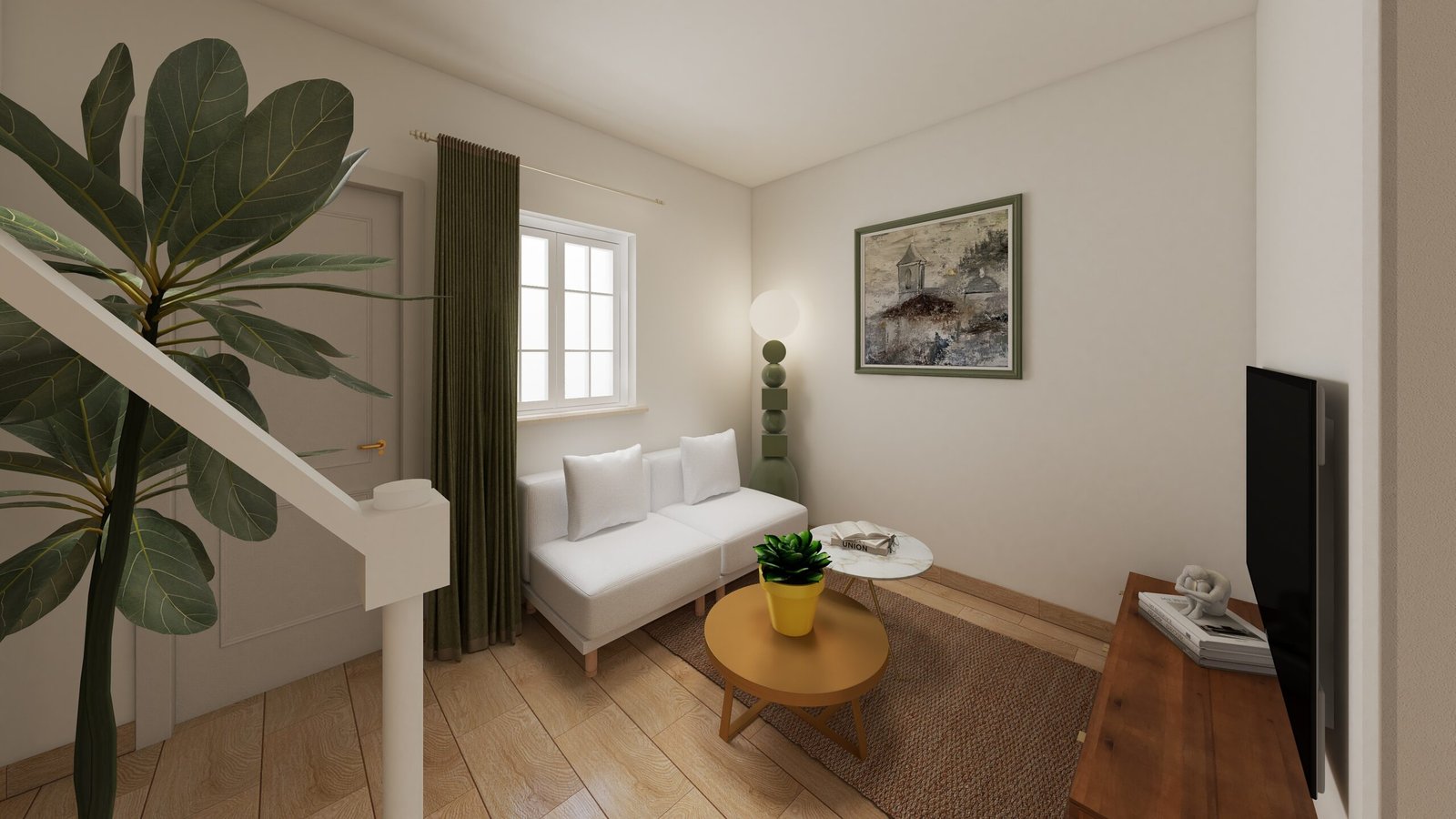
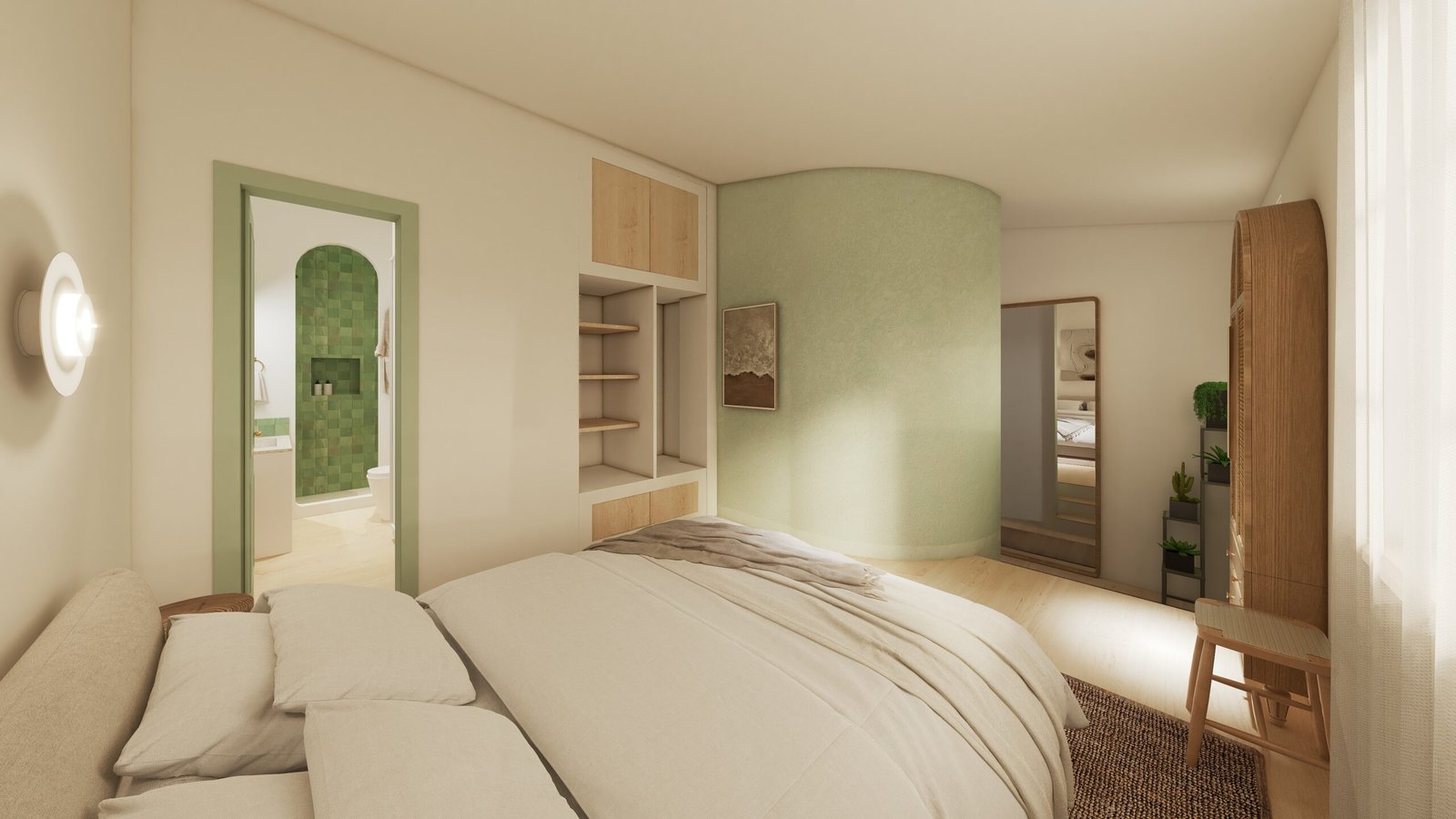
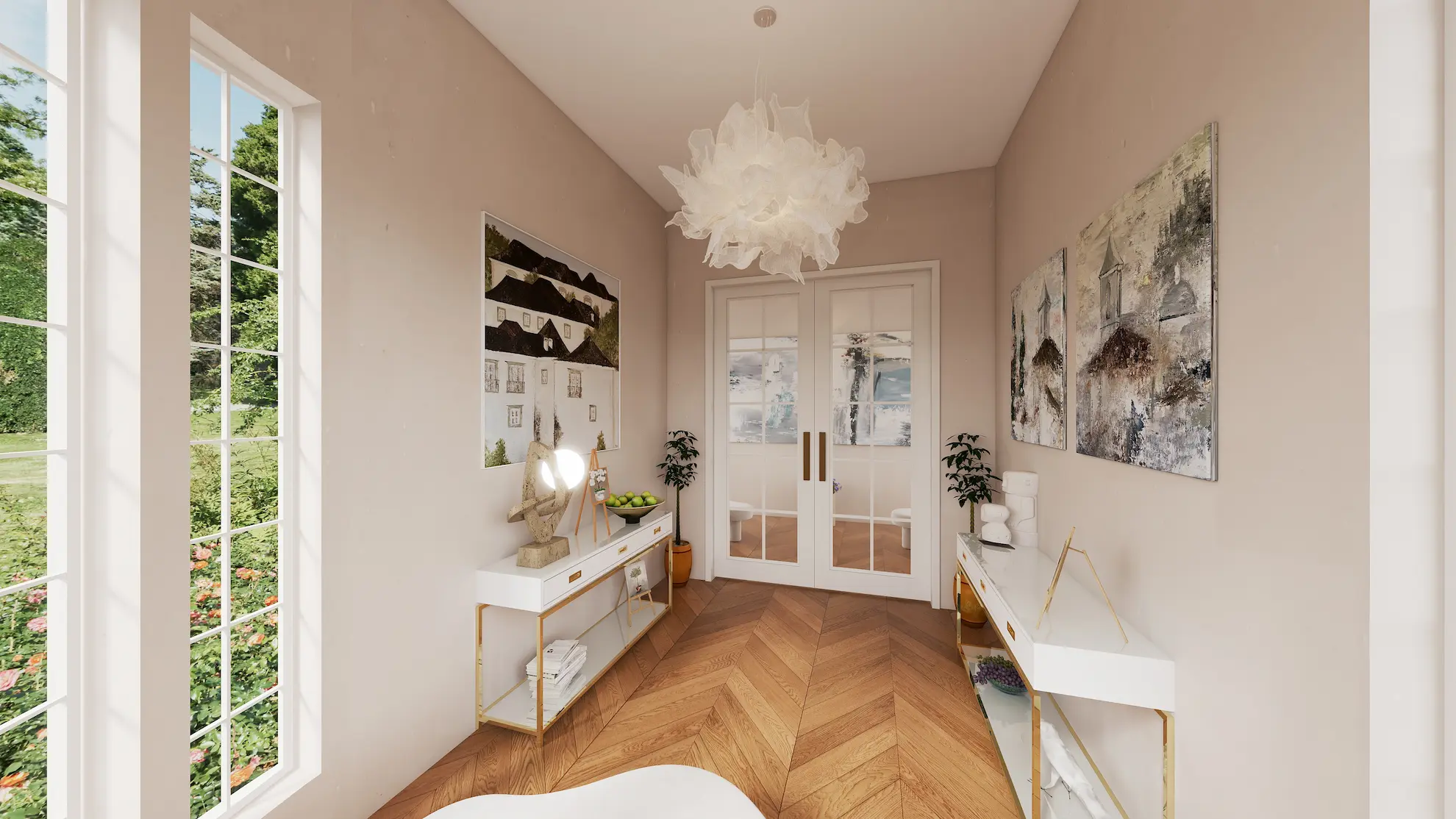
Lighting in a home is one of the most important elements in making an environment feel warm and welcoming. Not only does it serve a purpose, but it can also actually influence the whole ambiance of a space in the later hours of the day. Often in homes that we recently purchased, we find the switches and sockets are in places that get hidden or forgotten behind furniture, and plugs often bulge out too much, and can make connecting a light very complicated. Adding many different plug extension cables can just make everything feel chaotic very quickly. This article will explore different lighting design solutions you can easily implement in your home to bypass the struggles without big construction interventions.
Creative Cord Management
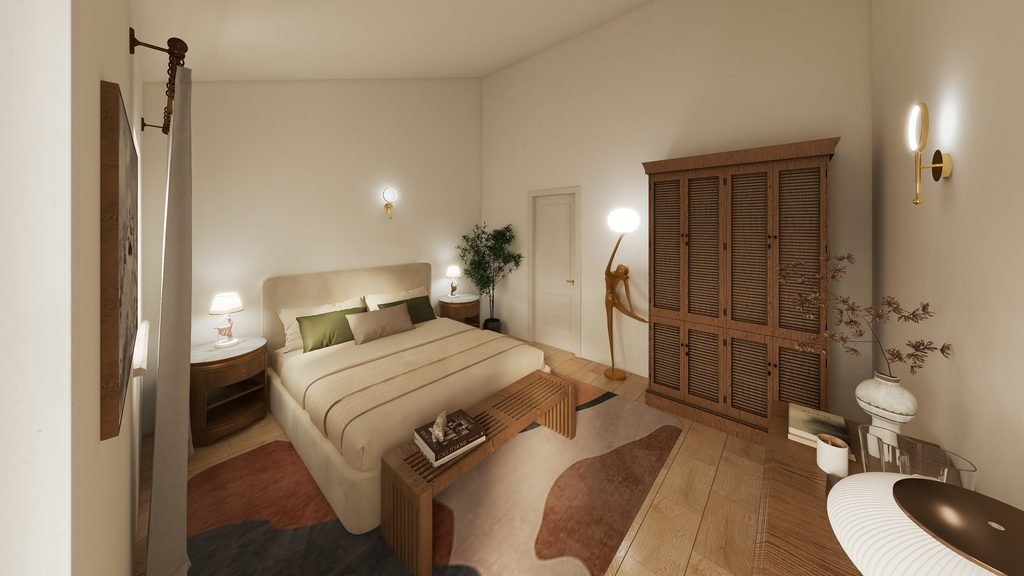
Before diving into technical planning or smart systems, sometimes the simplest workarounds involve rethinking the cords themselves. If moving sockets isn’t an option, you can swap bulky plugs for slim-profile, flat-plug extension strips that slide seamlessly behind heavy sofas, allowing you to power beautiful accent lamps without pushing furniture away from the wall. You can also embrace the wiring as a functional design feature. For example, textile-cable pendant lights can be casually draped from the ceiling or walls using minimalistic hooks, letting you position overhead lighting exactly where you need it, regardless of where the existing junction box sits.
2D Light Mapping
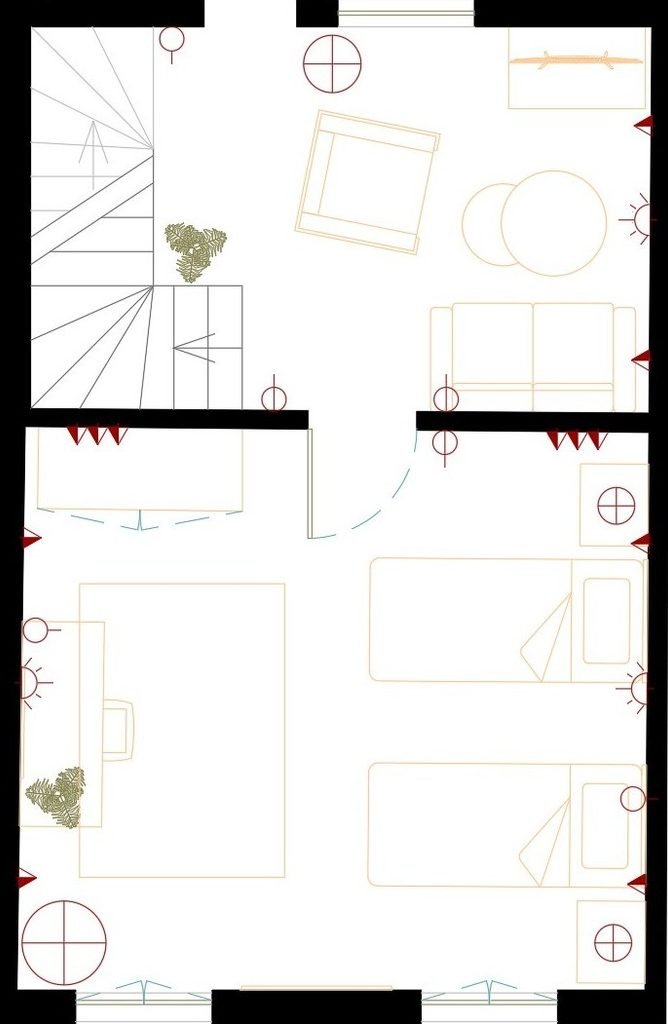
One important step an interior designer can help with in the process of space planning is a technical light mapping on the floor plans. This will inform on all existing sockets and switches and properly plan the new ones to be added to make the space feel more thought-out. Switches and sockets by a bedside can make a finished space more harmonious. Sockets on either side of a sofa can also help in placing beautiful table and floor lamps around the property. If you have a long corridor, having multiple switches that you can use as you move along the house can sometimes really help to avoid unnecessary travel through spaces.
The Smart Home Solution

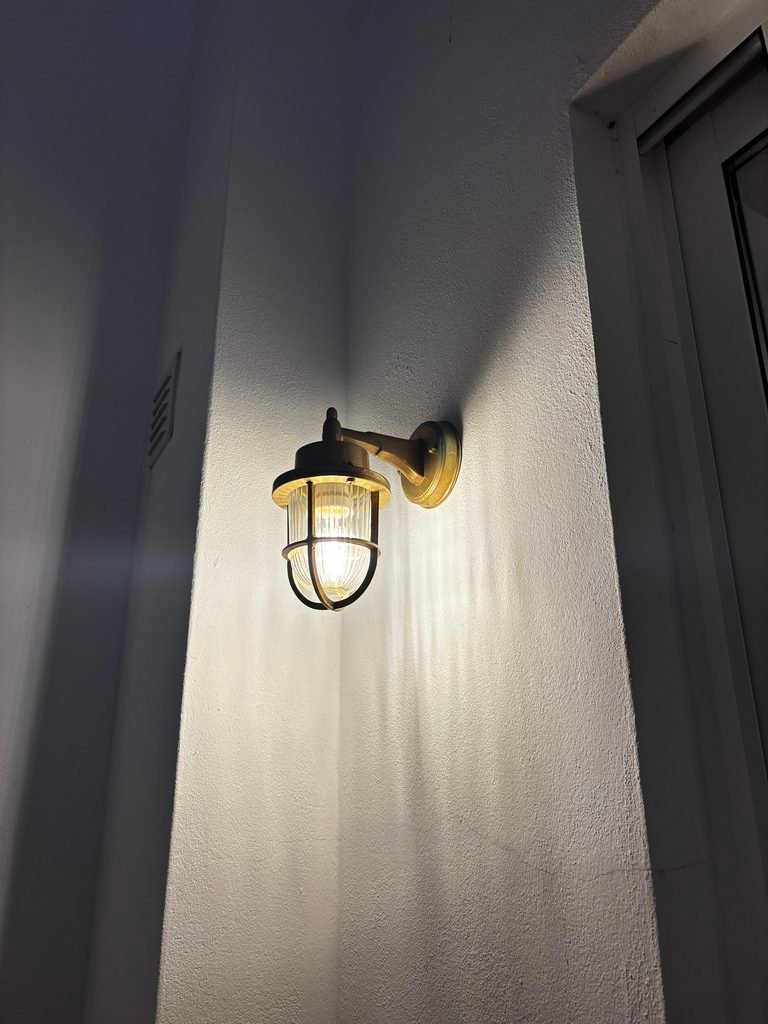
All your lights can be connected with smart bulbs that communicate with each other, a simple solution as it is just a question of switching the bulbs you have in lamps to smart bulbs. You can then have this connected to a main home hub that is directly linked to an app on which you can select a specific brightness and turn any light on or off. Taking everything a step further, in this smart system you can set up customised automations and select different brightness which replaces very technical dimmer switches. If you wanted to take things to a more fun level, some bulbs offer an enormous range of different hues, and with this same app you can create specific ambiances.
If this is simply too much tech to wrap your head around, all of this system can be connected to movable switches around your home. Your ceiling light can be switched off from your bed despite the switch being on the other side of the room by manually using the remote. Different remotes have different functions. The simplest ones allow you to control a groups of lights, and adjust their intensity.
Cordless LED Lighting
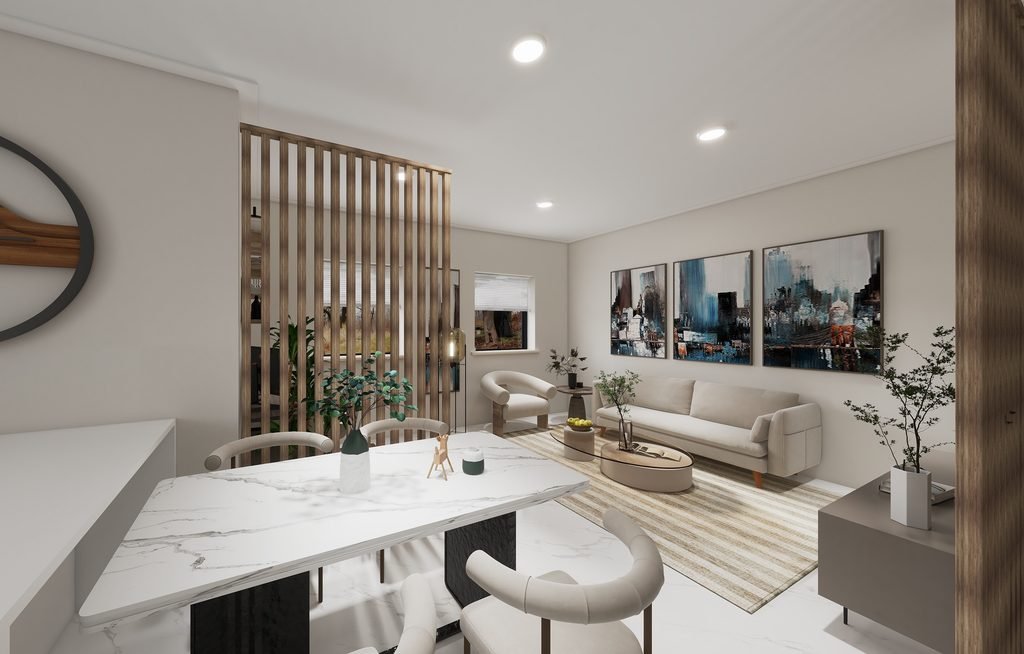
However, if both smart bulbs and traditional wiring still leave you constrained by your room’s awkward socket placement, the rise of high-end rechargeable LED lamps has completely revolutionized modern lighting design. These portable, battery-powered fixtures liberate your layout from wall sockets entirely. You can effortlessly illuminate a central coffee table, a floating bookshelf, or a cozy reading nook in the middle of a room without a single wire trailing across the floor. Many contemporary cordless options feature tactile touch-dimming and impressive battery life, seamlessly tying into your room’s ambiance and proving that a flawless, welcoming glow doesn’t require a sledgehammer.