
By: Gabriella King
Published on: November 24, 2025
Are you looking for a warm and cosy feeling for your Algarve home interior design? We have just the solution for you.
While modern minimalism has its place, there is a growing desire for depth and character in our living spaces.
Lime paint walls, with their uneven textures, imperfect finishes, and thick layers, add just the element needed to give your house that softness and authenticity. It is the perfect antidote to flat, lifeless walls.
The technical differences between lime paint and standard emulsion.
Why lime paint is particularly suitable for the Algarve climate.
Three leading brands: Ressource, Pure & Original, and Kalklitir.
Installation advice: DIY versus professional craftsmanship.
Answers to common questions about testers and 3D rendering.
It is a completely different texture to normal wall paint.
Even its application is a slightly more complex procedure and takes craftsmanship to complete with the best results.
From a technical standpoint, lime paint is a mineral-based paint made from limestone, water, and natural pigments.
This composition gives it unique properties that are vital to understand before you begin your renovation.
Technical Highlight: Breathability & Mould Prevention One of the greatest technical advantages of lime paint walls in the Algarve is breathability.
Permeability: Unlike acrylic or latex paints which seal the wall, lime paint allows moisture to escape from the masonry.
High pH Level: Lime is naturally alkaline (high pH), which makes it bacteriostatic and resistant to mould and bacteria—a significant benefit for humid Algarve winters.
Carbonation: As the paint dries and cures, it absorbs CO2 from the air, hardening into stone (calcium carbonate) over time.
There are technical features to be considered in the selection of the tools used for the installation.
Generally, reputable companies that sell this type of paint provide all the necessary guidelines for you to follow if you are a DIY enthusiast.
They also sell the specific equipment required for the whole procedure, such as block brushes (wide, natural bristle brushes).
However, these tools can be quite costly. Furthermore, achieving the signature “cloudy” or “swirling” effect requires a specific “X-stroke” hand technique.
If you want a pristine finish, we often recommend hiring professionals who specialise in mineral finishes.
Pro Tip: Do Not Skip the Primer
This is the most common mistake DIY enthusiasts make.
If you are painting over existing walls (which are likely covered in standard vinyl or acrylic emulsion), you cannot apply lime paint directly.
Because lime is a natural mineral, it cannot bond to the synthetic plastic surface of standard paint; it will likely slide off, crack, or peel within weeks.
You must use the specific Mineral Primer sold by the brand (e.g., WallPrim for Pure & Original or the specific Sous-couche for Ressource).
These primers often contain a gritty texture that creates a ‘mechanical key’ for the lime to hold onto. It is an extra cost, but it is non-negotiable for a durable finish.
We have selected three top-tier brands that we trust for their quality and finish variety.

One of the best brands that sells this type of paint is the French house, Ressource Paints.
The presentation of their samples is faultless, showcasing the different end finishes of their products.
Chaux Brossée (Brushed Lime): This finish offers a rough texture with a seemingly sandy effect, providing a rustic, grainy touch.
Chaux Ferrée (Pressed Lime): In contrast, this finish has a very smooth, almost chalky sense and is very soft to the touch, similar to a polished plaster. These generally have more undulation patterns depending on the application process.
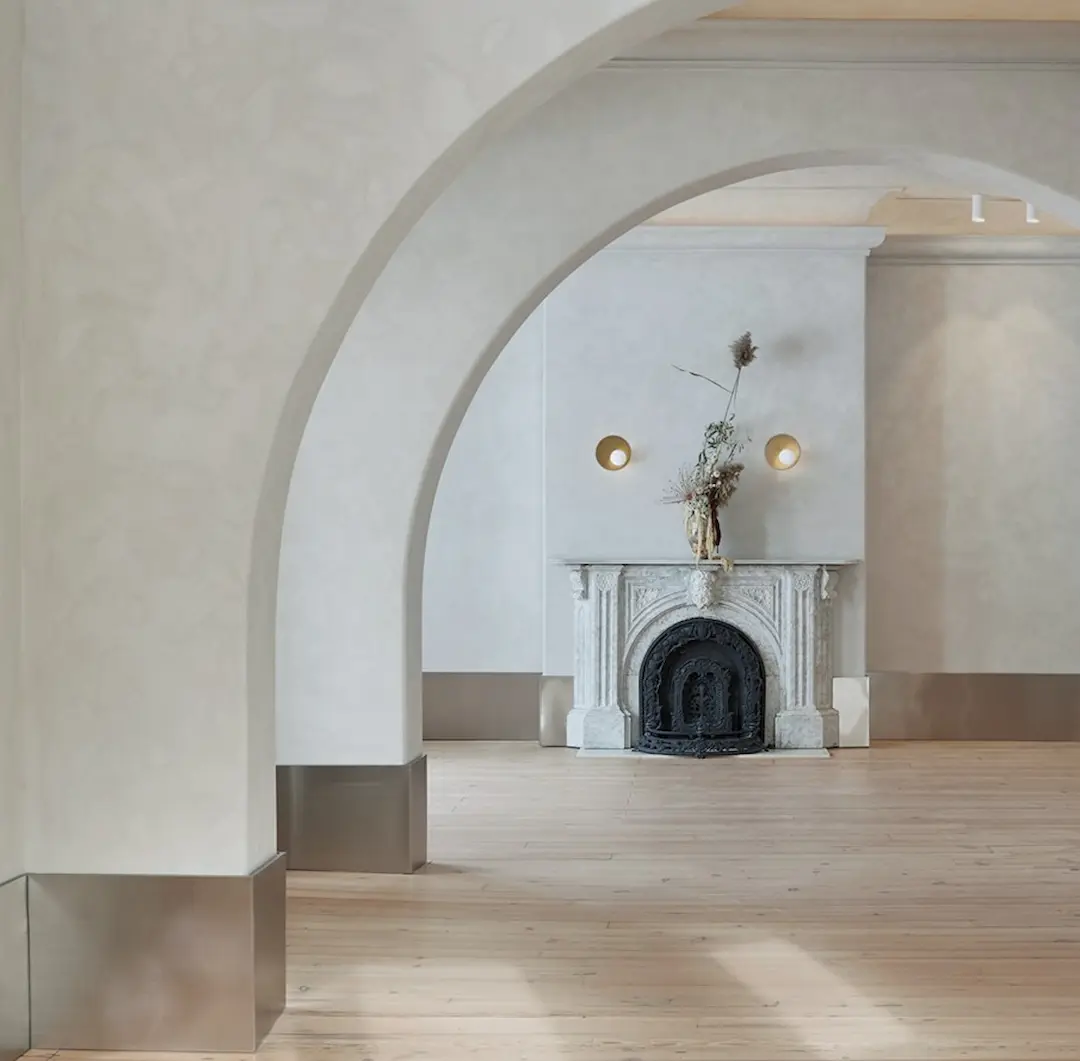
Another amazing brand is the Dutch company Pure & Original.
They are renowned for offering distinct styles of mineral finishes:
Fresco Lime Paint: This creates the classic, matte, cloudy aesthetic with high nuances in colour.
Marrakech Walls: A heavier finish that can be polished to look like Tadelakt (traditional Moroccan waterproof plaster) or concrete.
Licetto: While not a lime paint (it is a hyper-washable matte), it is often used in conjunction with lime paints in high-traffic areas. The presentation on their website truly shows the final effect on large walls, and their range of colours is vast.
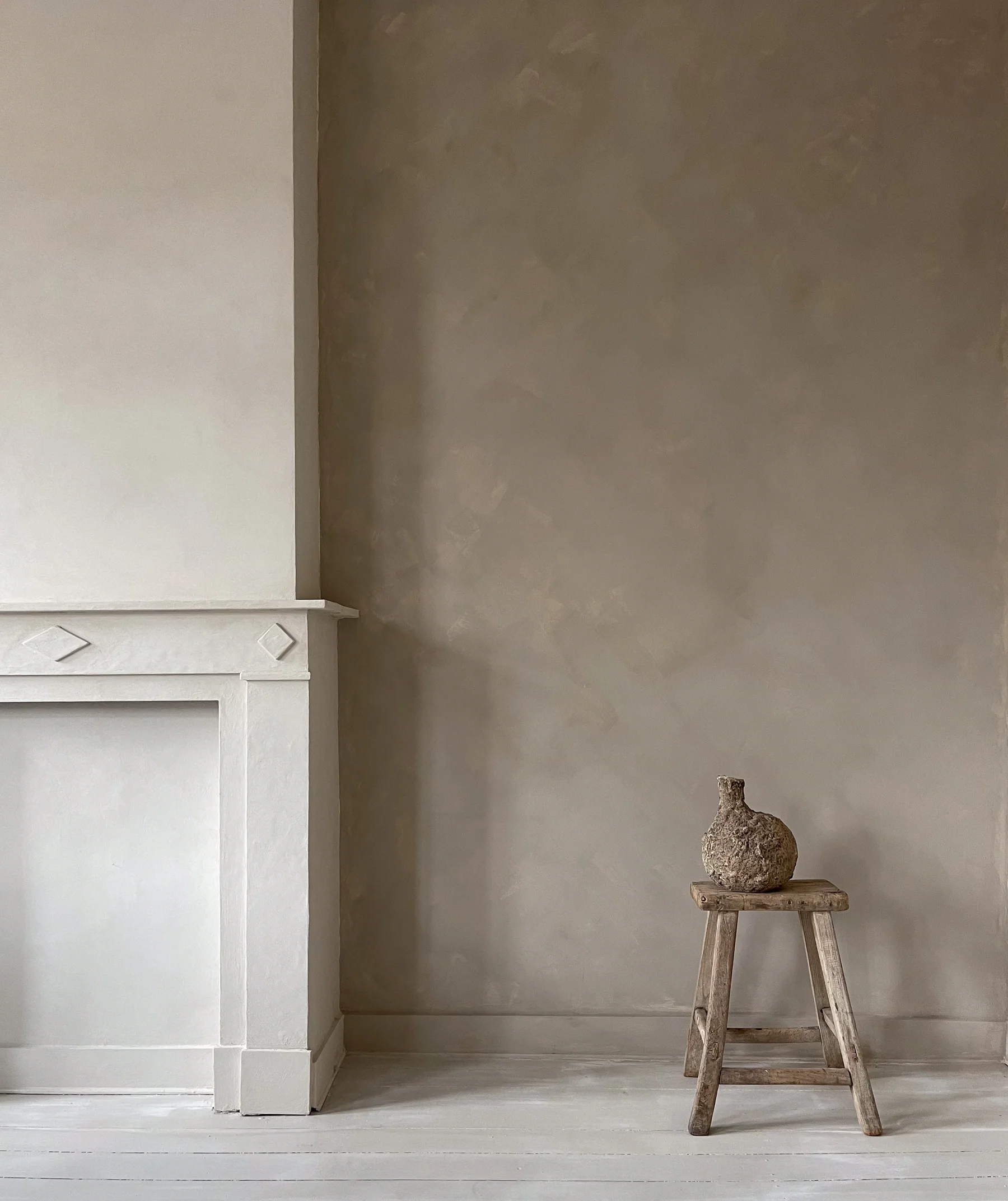
A final brand to be considered, offering excellent quality and effects, is Kalklitir. This family-run business supplies the paint in powder form (which you mix with water), making it an eco-friendly shipping option.
The Support: This brand provides very constructive information with detailed videos on the application process. They show skill and expertise on the matter, and the colour selection is very interesting, leaning towards organic, Nordic tones.
It is very often difficult to represent this unique feature within 3D models accurately because the texture changes depending on the light.
However, if a high-quality image of a large sample is uploaded to the CAD software, it is possible to showcase how it may appear in truer dimensions to give you a general feel.
No, generally the paint tester pots are only to showcase the colour within your space.
The finishing (the texture) is a more delicate matter that depends on the brush stroke and drying time, which cannot be replicated in a tiny pot.
We recommend buying a small 1-litre tin if you need to test the texture.
Interior designers work directly with these brands and make an easy connection for you.
Some brands sell online, but there aren’t many showrooms in the Algarve yet, which can make it difficult to choose a colour from a screen.
Contacting a local designer is often the safest route to seeing physical samples.
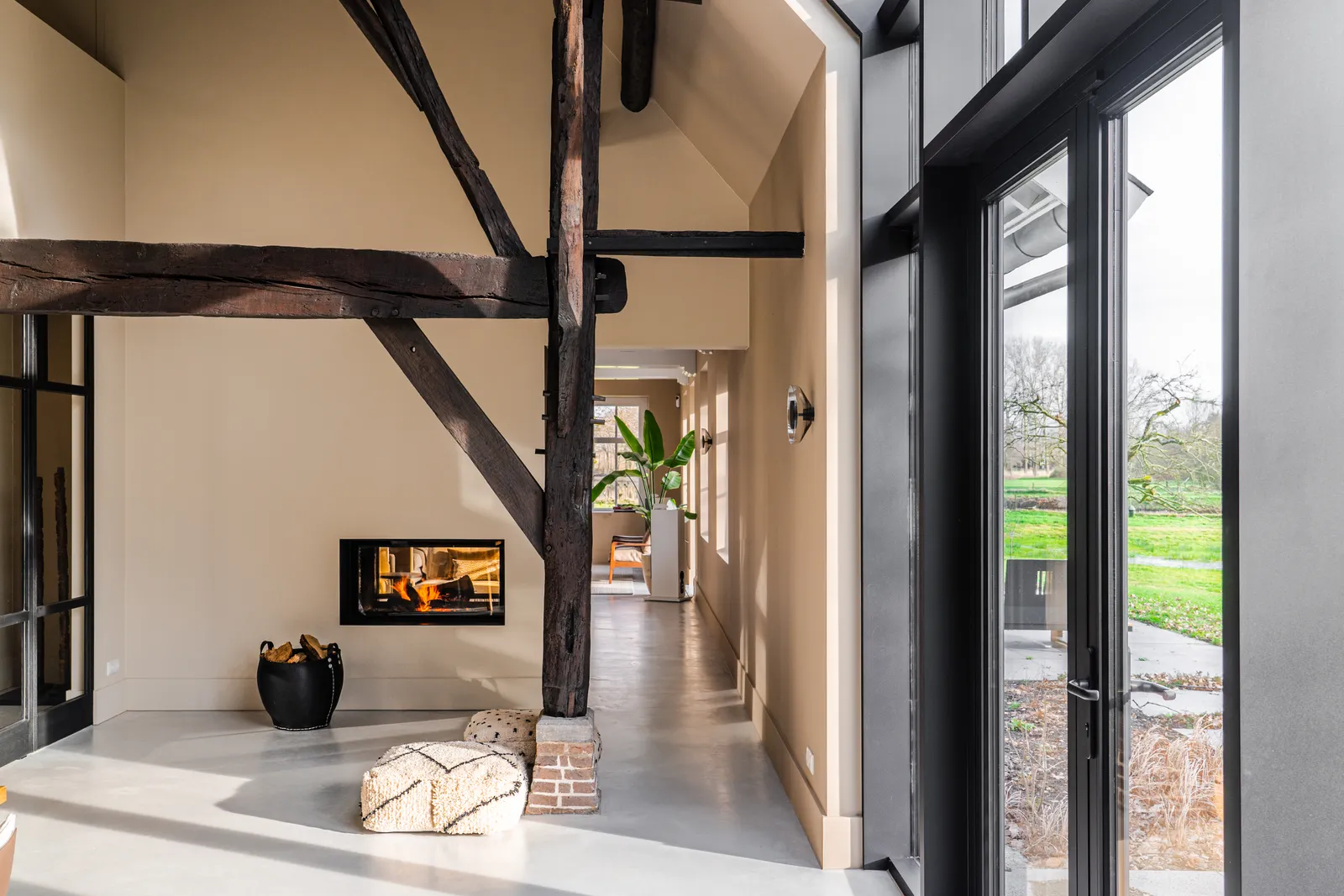
Whether you choose the sandy touch of Ressource or the cloudy depth of Kalklitir, lime paint walls offer a timeless elegance that standard paint simply cannot achieve. It is an investment in the atmosphere of your home.
Disclaimer: This article is an independent editorial recommendation.
The author is not affiliated with, sponsored by, or endorsed by any of the brands mentioned.