
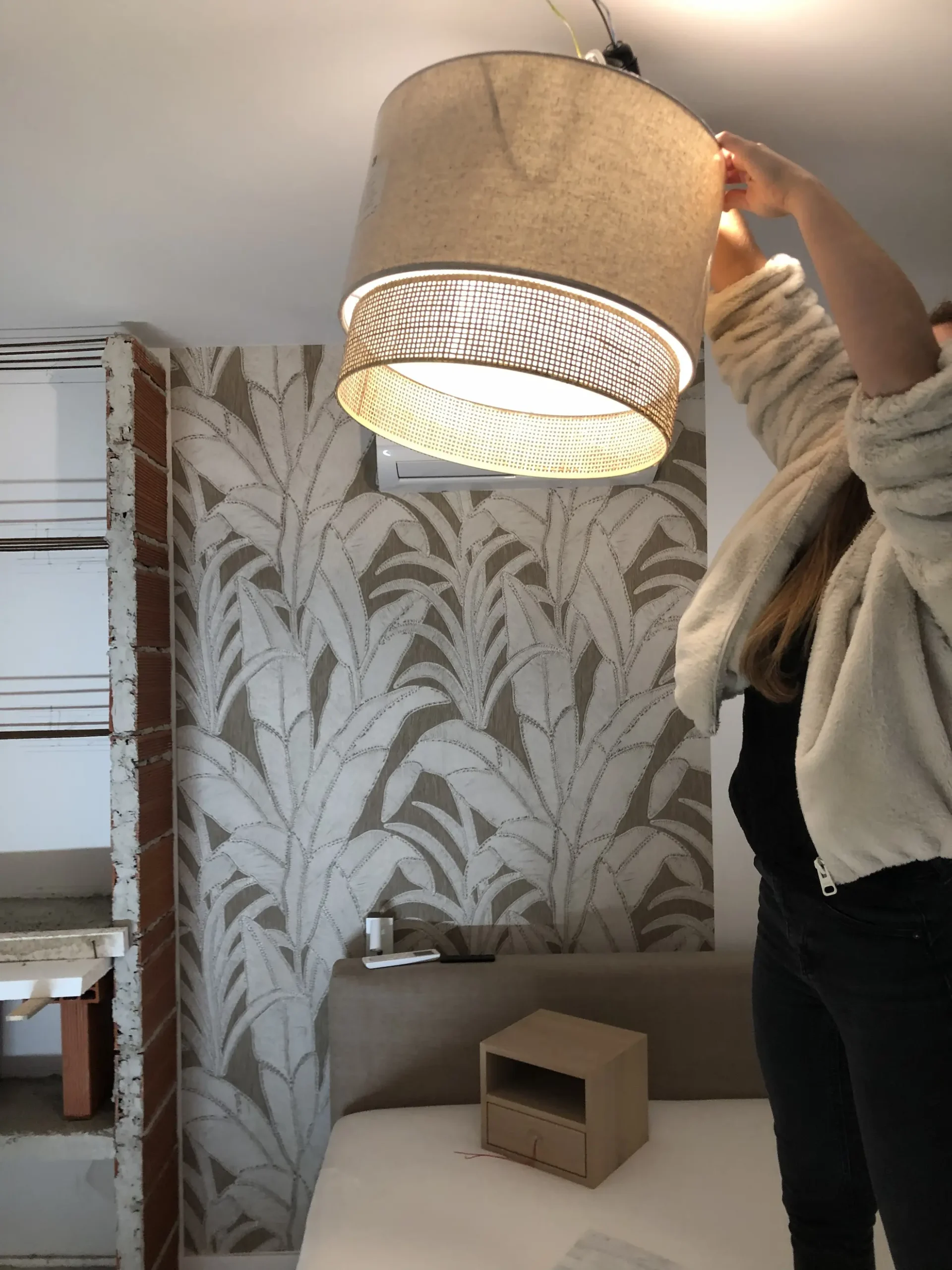
Selecting appropriate lighting and its location for an interior can be challenging.
Here we provide detailed projects that look after all you need to perfectly brighten your space, from technical mapping to final fixture selection.
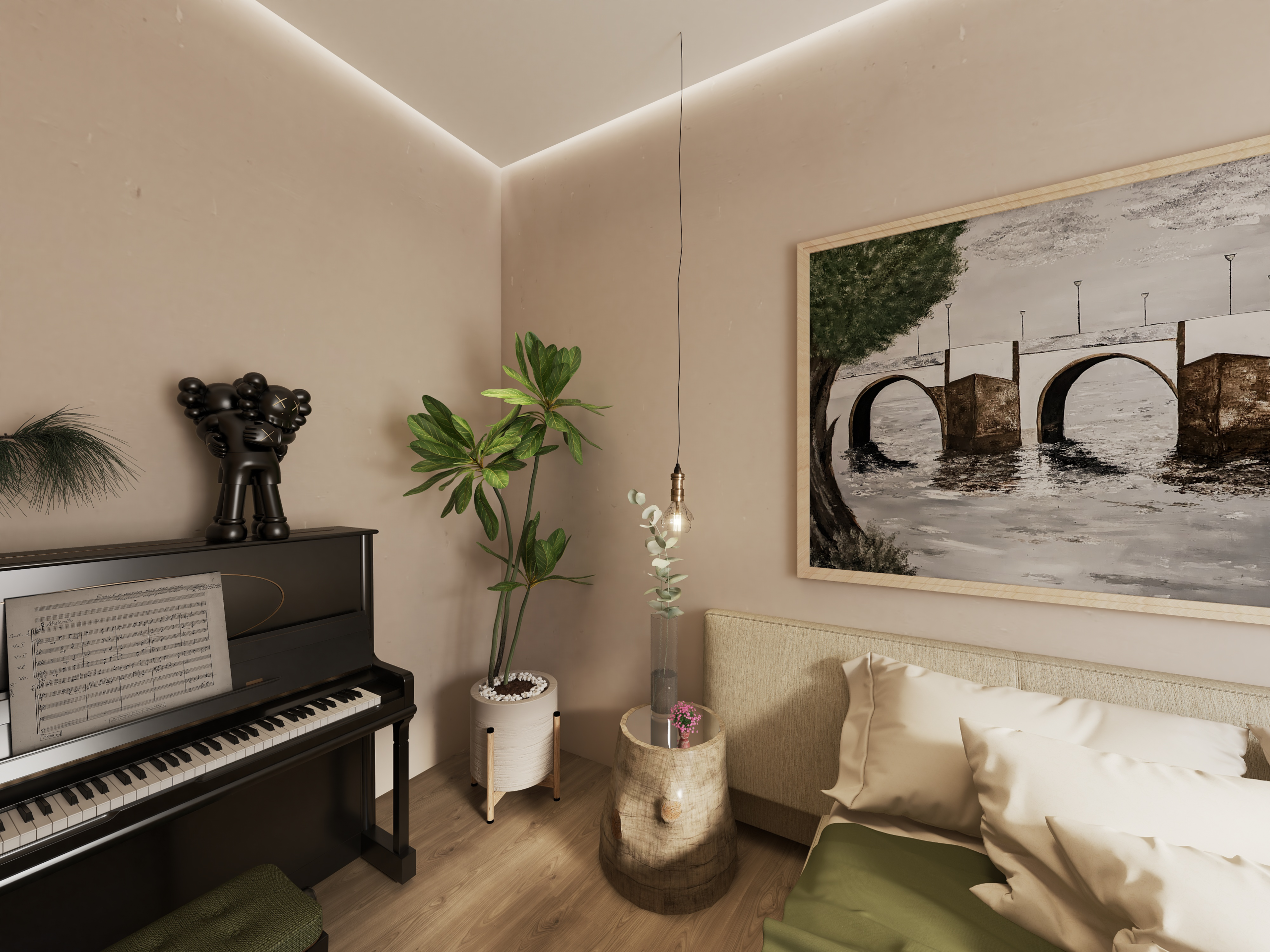
In any interior space, it is essential to think about the lighting. The light mapping service will allow you to preemptively know where the best location are in your space to install intelligent and smart lighting through CAD drawings. In the project planning, your designer will explain the parts of the space that will be lit, which can be made through strip lighting, standing lights, table lamps and others. For more specific options of lighting to buy, refer to the Lighting Suggestions service.
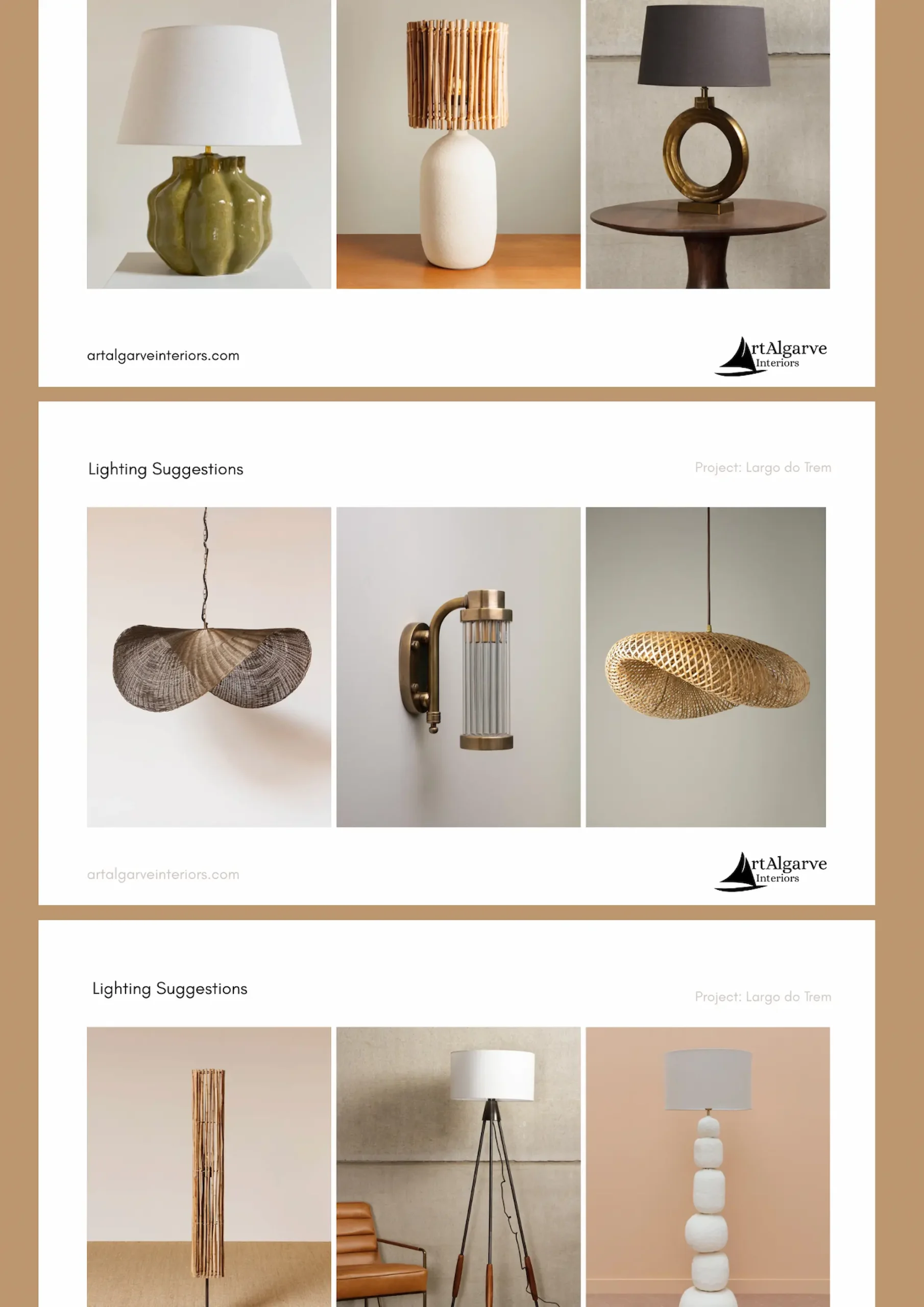
A whole presentation with 2 options for lighting to purchase. Much like a Decoration project, this project will help you decide on some perfect solutions for your home in a stylish way. It is recommended to request a Light Mapping service prior to the Lighting Suggestions, however it is not essential.
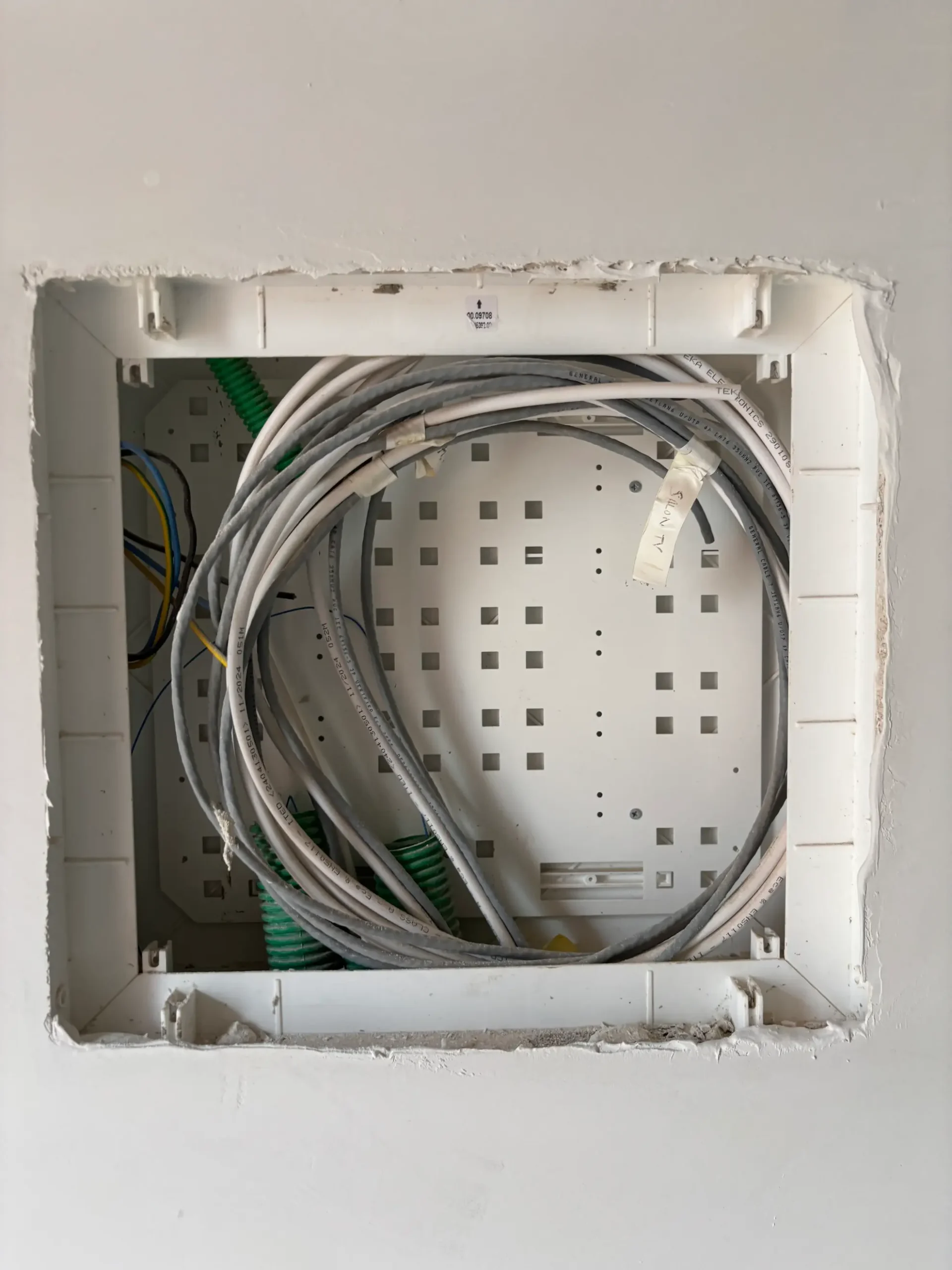
Further to the other 2 service linked to lighting. This service takes the project a step further into the communication, quoting and negotiation with electricians. This service can be a supplement to the Light Mapping, especially if the design is of complex nature and your space requires new wiring.
Light mapping is a technical process where we design the entire electrical and fixture layout on a CAD plan.
This ensures optimal placement for ambient, task, and accent lighting.
Choosing lamps is the final decorative step, which is covered in our Lighting Suggestion service.
A proper map ensures the foundational lighting is perfect.
Yes, absolutely.
We can provide our detailed lighting plans and specifications to your chosen electrician.
Alternatively, through our ‘Electrician Project & Quotes’ service, we can manage the entire process, from sourcing qualified professionals to overseeing the installation.
It is one of the most transformative elements in interior design.
A well-designed lighting scheme can make a space feel larger, highlight architectural features, create specific moods, and improve the functionality of every room.
It’s the key to bringing all other design elements to life.